
The Allure of Risk and Reward
The psychology behind casino gaming is deeply rooted in the human attraction to risk and reward. People are naturally drawn to situations where they can either gain something significant or lose it all. This thrill of uncertainty can trigger excitement and adrenaline, enhancing the gaming experience. When players engage in games of chance, they often feel a sense of empowerment that accompanies the potential for a big win, much like what is offered at captaincookerni.co.uk where they can enjoy various thrilling options. This dynamic highlights a fundamental aspect of human behavior: the desire for instant gratification, which is often fulfilled in moments of high stakes.
Moreover, the variable rewards system at casinos plays a critical role in player engagement. Unlike traditional forms of entertainment, such as movies or concerts, gaming rewards are often unpredictable. This unpredictability fosters a sense of hope and anticipation, compelling players to return for more. For example, a slot machine that pays out irregularly can stimulate a player’s emotional response, leading them to believe that they are close to hitting the jackpot, even if statistically, the odds are against them. The psychological manipulation inherent in this setup is what often keeps players spinning those reels, entranced by the possibility of an imminent win.
The social environment of casinos further enhances this psychological allure. Many players enjoy the camaraderie that forms when they share a gaming experience with others. This social aspect can amplify emotions, making wins feel even more rewarding and losses less painful. The combination of risk, variable rewards, and social interaction creates a perfect storm of psychological triggers that entice individuals to engage in casino gaming, transforming it into a multifaceted experience that extends beyond mere chance and taps into deeper emotional and psychological needs.
The Role of Cognitive Biases
Cognitive biases significantly influence how players perceive their chances of winning when gambling. One common bias is the “gambler’s fallacy,” where individuals believe that past events can influence future outcomes. For instance, a player might assume that because a roulette wheel has landed on red several times in a row, black is now “due” to hit. This misconception can lead to poor betting decisions and increased losses as players chase their perceived luck. Understanding these biases is crucial for both players and casinos, as they shape behaviors and expectations, often leading to irrational decision-making.
Another cognitive bias at play is the “illusion of control,” where players believe they have more influence over the outcome of their game than they actually do. This is particularly prevalent in skill-based games like poker or blackjack, where players might attribute their wins to skill rather than luck. Such beliefs can reinforce continued play, as individuals feel confident in their ability to beat the odds. Casinos often exploit this bias by offering games that appear skill-based but are heavily influenced by randomness, thus keeping players engaged and invested in the outcome.

Cognitive biases also contribute to the phenomenon of loss aversion, which is the idea that the pain of losing is psychologically more impactful than the pleasure of winning. This can lead players to take larger risks to recover their losses, perpetuating a cycle of gambling and diminishing returns. By understanding these biases, players can become more aware of their decision-making processes and the psychological traps that may lead to excessive gambling behaviors. Recognizing the influence of cognitive biases can empower players to make more informed choices and mitigate the risks associated with gambling.
Understanding the Emotional Impact of Gambling
The emotional journey of a player in a casino is complex and multifaceted. For many, gaming serves as an escape from reality, providing a chance to forget life’s pressures, even if just temporarily. The excitement and thrill associated with gambling can evoke a rollercoaster of emotions, ranging from euphoria when winning to despair when losing. This emotional volatility can be addictive, as players continuously seek to relive the highs of a win, often overlooking the consequences of their losses. The emotional rollercoaster can obscure the reality of gambling, leading to a distorted perception of success and failure.
Furthermore, casinos are designed to evoke specific emotional responses. The vibrant colors, sounds of slot machines, and the thrill of live games are all orchestrated to create a stimulating atmosphere. This sensory overload can enhance both excitement and anxiety, compelling players to return for more. The ambience is meticulously crafted to make players feel at home, encouraging them to extend their visits and, consequently, their expenditures. The emotional stimulation provided by this atmosphere plays a significant role in reinforcing gambling behavior, making it difficult for players to walk away.
The impact of gambling on mental health is also significant. While some individuals can control their gaming habits, others may develop compulsive tendencies that lead to detrimental consequences. The despair of addiction can overshadow the initial thrill, affecting relationships, finances, and personal well-being. Recognizing these emotional patterns can be vital for players, as it may prompt a reevaluation of gaming habits and the establishment of boundaries to prevent negative outcomes. Awareness of the emotional impact of gambling can encourage healthier practices and foster a more balanced approach to gaming.
The Influence of Marketing and Environment
Marketing strategies in the casino industry are specifically designed to capitalize on psychological triggers. Promotions, loyalty programs, and the use of visually appealing aesthetics all play a crucial role in attracting and retaining players. These techniques create a sense of urgency and exclusivity, encouraging individuals to participate in games they may otherwise avoid. For instance, limited-time offers can induce a fear of missing out, compelling players to take risks they might not typically consider. Such marketing tactics are carefully curated to resonate with the psychological desires of potential players.
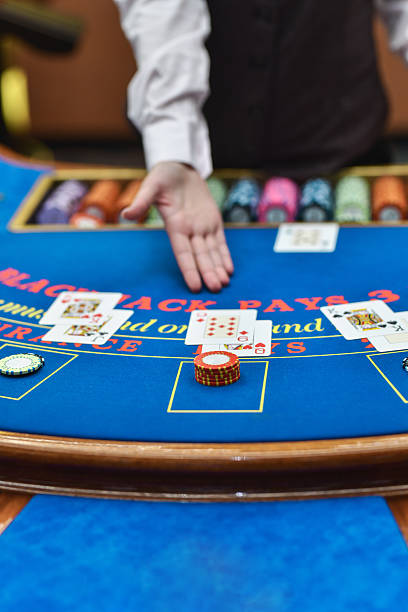
Moreover, the physical layout of casinos is intended to maximize player engagement. The placement of games, the absence of clocks, and the careful design of pathways all contribute to an environment where players lose track of time and become immersed in the experience. This thoughtful design is not accidental; it is rooted in behavioral psychology aiming to keep players engaged for longer periods. Casinos understand that a comfortable, stimulating environment encourages players to spend more, and they strategically use this knowledge to enhance their profitability.
Additionally, the presence of high-stakes areas and luxurious amenities creates an allure that appeals to players seeking status or thrill. People often associate these settings with increased prestige and excitement, further driving their desire to participate in gaming activities. The careful construction of an appealing environment, combined with targeted marketing strategies, significantly shapes player behaviors and experiences, making it essential to understand these elements for a complete picture of the casino gaming landscape.
The Online Casino Experience
The transition to online gaming platforms has fundamentally altered the landscape of casino gambling. The psychological principles that influence players remain consistent, yet the online environment presents unique challenges and opportunities. Players can access games from the comfort of their homes, leading to increased convenience but also potential risks associated with isolation and addiction. The anonymity of online gaming can exacerbate existing gambling problems, with players feeling less accountable for their actions. This lack of social interaction can create a false sense of security, making it easier for individuals to engage in excessive gambling.
Online casinos utilize a variety of psychological strategies similar to their physical counterparts, including bonuses, free spins, and gamification elements to entice players. These features create a sense of achievement and reward that mimics traditional gaming environments but can be accessed with a simple click. Furthermore, the use of sophisticated algorithms to personalize player experiences heightens engagement, as players receive tailored content that aligns with their preferences, enhancing their online journey. This personalization can lead to increased time spent on platforms, further complicating the issue of responsible gaming.
It is essential for players to remain vigilant while navigating the online casino landscape. The accessibility and immersive nature of these platforms can lead to increased gambling without appropriate checks and balances. Many online casinos are implementing measures to promote responsible gaming, urging players to set limits and recognize signs of problematic behavior. Awareness of these factors is vital for a healthier gaming experience and can help mitigate negative psychological impacts associated with excessive online gambling. Maintaining a critical perspective on one’s gaming habits can foster a more balanced approach to the online gambling experience.